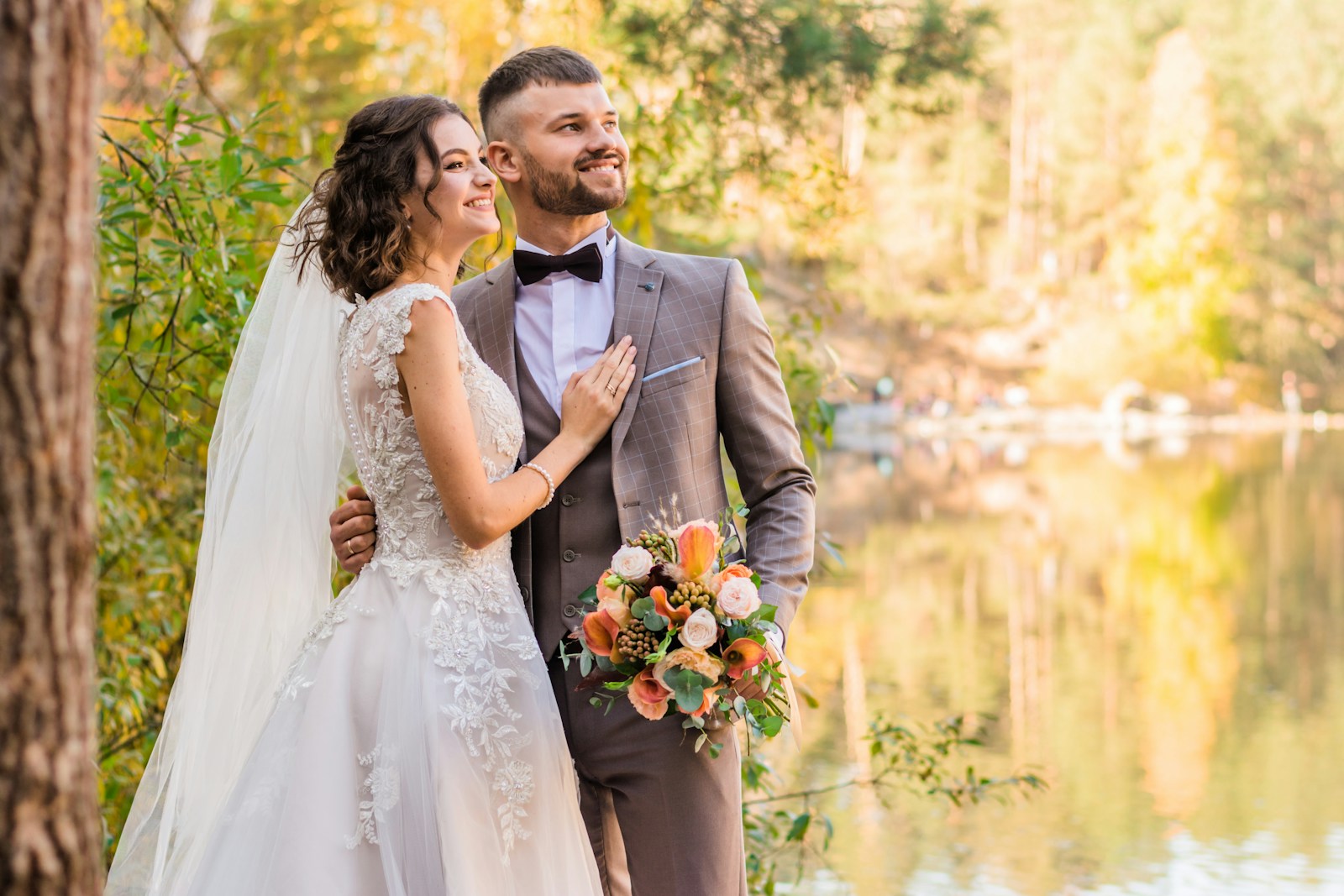
Floral trends move slowly. The botanical ideas that define a wedding year tend to build gradually and last. The trends shaping 2026 UK weddings have been forming since 2023; what's changed is their refinement, their accessibility, and the number of extraordinary British florists who have fully mastered them.
The Wildflower Meadow Movement
The maximalist baroque floral aesthetic is giving way to something more considered. The wildflower meadow look prioritises native British species, textural variety, and an intentionally unstructured quality that suggests the flowers arrived by themselves.
Cornflowers, cow parsley, foxgloves, alliums, sweet peas, and ox-eye daisies form the backbone. The palette is naturalistic: purples, blues, whites, and soft pinks. Most wildflower arrangements use British-grown, seasonal flowers — which means a significantly smaller carbon footprint.
Not every florist who claims to offer "wildflower styling" genuinely understands the discipline. Ask to see photographs from a real wildflower-styled wedding they've executed — not mood board references.
Sculptural Dried Arrangements
Dried florals have become a considered aesthetic choice in their own right. The finest dried arrangements in 2026 are sophisticated, textural, and deliberately architectural: pampas grass, dried alliums, lunaria (honesty), bunny tail grasses, and preserved eucalyptus.
The practical advantages are genuine. Dried arrangements can be created months in advance, require no water, and won't wilt during a warm August ceremony. They work especially well in barn conversions, where the textures of dried botanicals complement rough timber and stone.
Oversized Ceremony Installations
The floral arch has evolved into something more architectural: asymmetric hanging installations, foliage-draped timber frames, and sprawling ground-level arrangements that create a world around the couple rather than simply framing them.
"We spent £900 on the ceremony installation and £600 on everything else combined. Every single photograph of the ceremony looks like it was taken at a far more expensive wedding."
— Natasha & Will, married in Bath, September 2025
The Single-Variety Bouquet
Restraint as a luxury statement. The single-variety bouquet — 30 stems of one flower, gathered and tied simply — is the most elegant thing happening in bridal florals right now. White ranunculus. Garden roses in a single shade of blush. Lily of the valley. The effect is quietly arresting and, almost always, significantly less expensive than a mixed bouquet of comparable quality.
Colour Palettes Defining 2026
- Warm neutrals with a single colour pop: Ivory, cream, and champagne punctuated with one deep terracotta or burgundy element.
- Botanical greens with white: An all-foliage palette with white flowers as accent. Fresh, sophisticated, and dramatically cheaper than full-colour arrangements.
- Deep jewel tones: Plum, forest green, and midnight blue replacing the rust-and-copper palette of 2023–2024.
- The no-colour palette: Entirely white and cream, with texture provided by foliage, dried grasses, and varied bloom shapes.
Working With Your Florist
- Bring a curated collection of 10–15 images representing the feeling you want — not specific flowers, but the mood and colour temperature.
- Visit your venue with your florist before the proposal stage. The relationship between flowers and the specific light and materials of your venue is everything.
- Be honest about budget from the first conversation. A good florist will tell you what is and isn't achievable.
- Ask for a breakdown by area: ceremony, reception tables, bridal party, buttonholes. This lets you redirect budget where it matters most.